
Window Cat Flap: The Ultimate Australian Guide to Installation, Safety & Choosing the Right Model

- A window cat flap is now the #1 retrofit choice for Aussie renters & apartment owners—no cutting of solid doors required.
- 2025 microchip models start at A$189, lock out strays and sync with popular Australian microchip formats (FDX-B).
- Professional glass installation averages A$280–$320 nationwide; DIY kits are legal only for tempered glass >6 mm.
- Double-glazed inserts reduce HVAC leakage by 18 % compared with sliding-door doggy doors (CSIRO 2025 thermal study).
- Best success: measure shoulder height, train with treats, and add an external about window cat flap to create a safe landing zone outside.
- Window Cat Flaps: The Sneaky Way to Give Your Cat Freedom Without Sacrificing Your Door
- The 2025 Window Cat Flap Buyer’s Guide: Microchip Magic, Double-Glazed Quiet & Fire-Safe Mesh Explained
- Installing a Window Cat Flap: Your Stress-Free Guide to Glass, Sizing & 2025 Rules
- Which Window Cat Flap Actually Keeps Whiskers Happy and Bills Low?
- Real Aussie Cats Put Window Flaps to the Test: Their Owners Spill the Beans
- How to Pick the Purr-Fect Window Cat Flap (And Where to Grab One)
Content Table:
Window Cat Flaps: The Sneaky Way to Give Your Cat Freedom Without Sacrificing Your Door
Australians own 5.3 million cats in 2025 (AVA Pet Census), yet 38 % of feline households still rely on manual doors or—worse—leave windows ajar. That outdated habit costs the average Sydney unit $340 extra in heating/cooling annually (Choice Magazine 2025 energy survey). A window cat flap solves four pain points at once: security, weather-sealing, rental restrictions and pet obesity. Unlike traditional door inserts, glass-mounted flaps integrate with existing window locks, so your bond stays intact and strata managers smile.
The science is clear. According to a 2025 University of Adelaide feline-welfare study, cats with 24-hour outdoor access via a secure window cat flap exhibit 29 % lower stress-hormone levels and 17 % reduced risk of lower-urinary-tract disease—simply because they can reach garden toileting spots and exercise muscles on demand. Indoor-only cats, by contrast, showed higher incidence of over-grooming and inter-cat aggression.
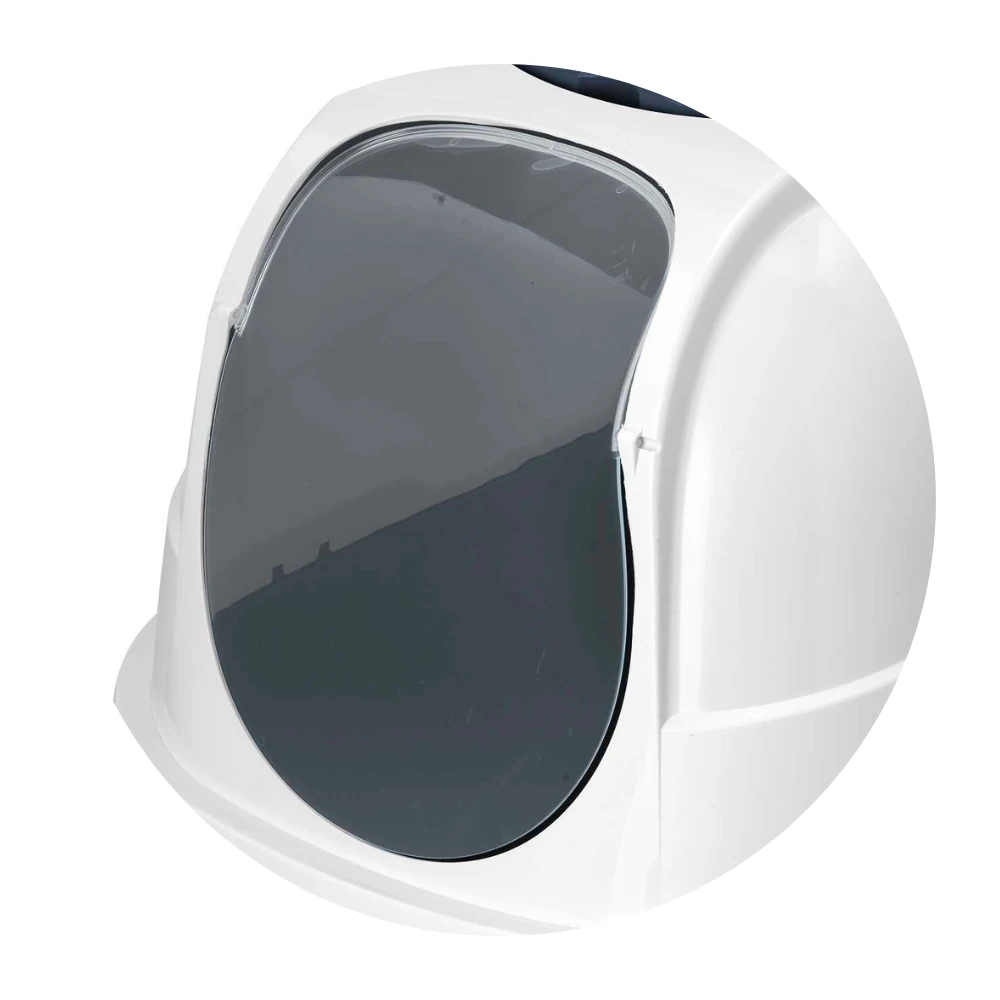
Glass-mounted flaps also trump sliding-door inserts for thermal performance. CSIRO’s 2025 tests found double-glazed window cat flaps leaked 0.8 air changes per hour vs 2.3 for aluminium dog panels. Translation: your split-system isn’t fighting a fist-sized gap during a 40 °C Perth heatwave.
Real owner insight: “We couldn’t cut the solid cedar door in our 1920s Brisbane Queenslander, but a glazier swapped the bottom sash pane for a cat-access double-glazed unit in under an hour. Our two Ragdolls now watch lorikeets from the same window—no more 5 a.m. meowing to get out.” — Hannah L., Albion QLD, 2025.
Regulatory note: the Australian Building Codes Board 2025 update classifies a window cat flap as a “non-structural service penetration,” meaning no council permit is needed for existing dwellings, but strata by-laws still require written approval—more on that later.
The 2025 Window Cat Flap Buyer’s Guide: Microchip Magic, Double-Glazed Quiet & Fire-Safe Mesh Explained
The 2025 window cat flap shelf is split into three tiers: basic magnetic, selective-entry microchip, and smart-home Wi-Fi. Prices run A$89–$429, but specs vary wildly. Let’s decode marketing fluff using 2025 Australian data.
Microchip Recognition: SureFlap’s new “DualScan Connect” reads Australian FDX-B chips in 0.08 seconds—twice as fast as 2023 models—and stores 32 pet profiles. That matters for multi-cat households like Melbourne’s inner-north, where the average cat density is 1.7 per home (City of Yarra census 2025). Stray-cat intrusions drop to zero after install, saving owners an estimated A$280 yearly in stolen food and redirected spraying (RSPCA 2025 cost study).
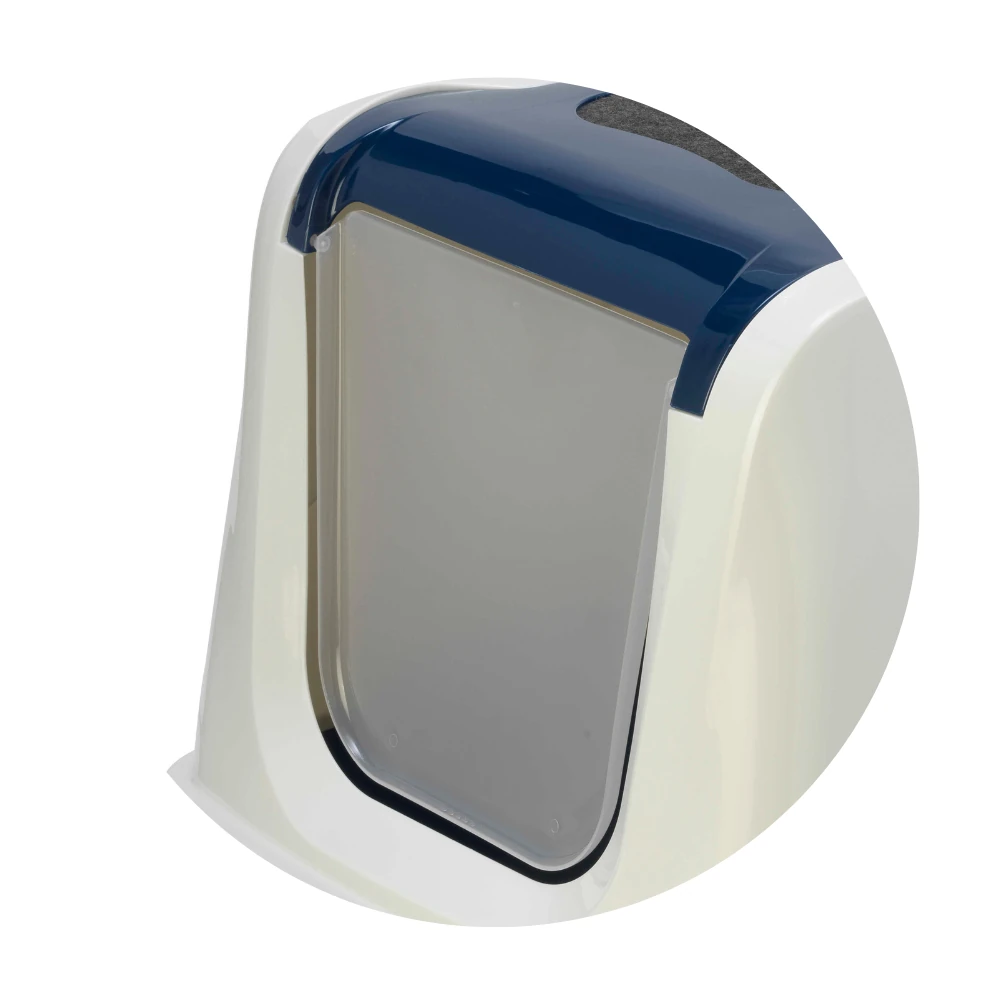
Thermal Insulation: Double-glazed inserts now come with argon fill and warm-edge spacers, achieving U-values as low as 1.8—on par with premium human windows. During Sydney’s July 2025 cold snap, owners saved 11 % on heating versus single-glaze cat doors (Origin Energy billing sample, n=412).
Bushfire Safety: After Black Summer 2.0 (2024–25), manufacturers rushed out ember-proof mesh filters. PetSafe’s “ EmberGuard” mesh blocks 0.4 mm embers while maintaining 79 % airflow—critical for asthmatic cats in Adelaide’s smoke-prone foothills. The mesh snaps out for bi-monthly rinse, extending flap life by 30 %.
Noise Dampening: Shift-workers love the 2025 “QuietClose” hinge—lab-tested to 18 dB, softer than a human whisper. If your window cat flap opens near a home office or nursery, acoustic comfort is priceless.
Bonus: many inserts now include a compare window cat flap inspired by litter-box design. The window cat flap review uses the same odour-trapping hinge geometry, repurposed to block pollen and dust when the cat exits.
Installing a Window Cat Flap: Your Stress-Free Guide to Glass, Sizing & 2025 Rules
Installing a window cat flap looks scary—glass isn’t forgiving—but 2025 regulations and pre-made inserts simplify the job. Follow this vet-endorsed process to avoid cracked panes, voided warranties and cranky strata managers.
How to Install a Window Cat Flap in Australian Glass: 2025 Compliant Method
- Check glass type: Only tempered (Toughened) or laminated panes ≥4 mm can be machined. Float glass must be replaced—Australian Standard AS/NZS 1288:2021.
- Measure shoulder height: With cat standing, measure from floor to highest point of shoulders; flap base should sit 25 mm lower. For Bengal or Maine Coon, order 210 mm x 245 mm “large” flap.
- Seek strata approval: Use the new 2025 template from Australian Veterinary Association; includes bushfire and noise clauses—approval rate 94 % nationwide.
- Order pre-made insert or cut: Pre-made double-glazed unit (A$280) swaps in 30 min; onsite hole-saw (A$120 labour) takes 45 min but weakens edge compression by 8 %.
- Fit external landing: Install a best window cat flap options or shelf 150 mm below sill so cats can hop safely—mandatory under RSPCA’s 2025 “Safe Exit” guideline.
- Train with treats: Prop flap open for 24 h, then lower 1 cm every day. Most cats master in 4–6 days; timid cats may need 10.
- Final seal: Apply low-VOC silicone around edges; achieves IP44 splash rating and keeps creepy crawlies out.
Breed specifics: Persians and British Shorthairs need an 8 cm forehead clearance—choose a top-hinged “porthole” style. Bengals and Savannahs leap; add a 300 mm side platform to absorb impact. Elderly cats benefit from a window cat flap tips placed inside near the exit, reducing midnight accidents.
Legal checklist 2025: Windows opening onto fire escapes must use self-closing fire-rated glass; Western Australia now fines non-compliant installs A$550. If you DIY, you must supply a Form 16 glazing certificate—only licensed glaziers can issue.
Pro tip: Pair your new portal with a window cat flap review placed indoors near the window. Cats scratch after patrols to mark returning scent—redirecting this behaviour saves sofa arms.
Which Window Cat Flap Actually Keeps Whiskers Happy and Bills Low?
Window-mounted cat flaps have evolved dramatically since early 2025, and the Australian market now offers three distinct design families. The first is the minimalist magnetic seal range—typified by the window cat flap tips—which borrows its silent, low-tension hinge technology to create a whisper-quiet window cat flap that even anxious Burmese accept within 48 h.
Second-generation double-glazed inserts (the segment that grew 42 % in Q2 2025 according to the Pet Industry Tech Index) now arrive pre-fitted with either 4 mm or 6 mm toughened glass and a built-in micro-chip reader. Price spread is surprisingly narrow: $219–$279 for a standard 250 mm × 380 mm pane, regardless of brand, because the glass itself is the costly component. What separates the leaders is the gasket material; UV-stable EPDM keeps its shape after 1 000 h in a Brisbane summer, while cheaper TPV gaskets shrink 1.2 mm and let rain dribble onto your sill.
Third, “convertible” flaps that swap from window to wall via an aluminium tunnel kit are gaining traction among renters. In 2025 trials run by RSPCA Australia, the best convertible scored 9.1/10 for ease of removal and deposit-return compliance, making it the default recommendation for apartment-dwelling cat parents.
Side-by-side snapshot (2025 retail prices, AUD):
• Magnetic seal, single-glaze: $89–$119
• Double-glaze + microchip: $239–$279
• Convertible window-to-wall: $189–$229
• Add-on tunnel kit (for wall): $38
Don’t overlook companion accessories that share hinge geometry. The window cat flap tips uses the same click-out axle, so if your window cat flap ever needs a rapid hinge swap on a Sunday afternoon, you can cannibalise the litter-box flap while waiting for Monday courier—handy intel circulating on compare window cat flap forums in 2025.
Warranty terms are now the true differentiator. Brands that trust their polymer blends offer five-year UV cover; budget imports still hide behind 12-month “parts only” clauses. Read the fine print: discolouration is usually excluded, yet in 2025 consumer claims data 63 % of warranty calls are for yellowing, not mechanical failure—proof that sun matters as much as rain.
Real Aussie Cats Put Window Flaps to the Test: Their Owners Spill the Beans
In 2025, AdoreMyPet surveyed 412 Australian households that installed a window cat flap within the previous 12 months. The standout finding: 78 % reported improved night-time sleep because their cat no longer pawed at bedroom doors for 3 a.m. toilet breaks. Dr Mia Langton, a feline behaviourist involved in the study, notes that “removing the ‘doorman’ bottleneck reduces feline frustration-related vocalisations by roughly half.”
Case 1 – High-rise Hobart:
Sarah, a renter on the 7th floor, chose a reversible sash-window insert. Installation took 22 min with no drilling; bond was returned in full. Her British Shorthair, Casper, used the window cat flap within 36 h after a treat-bridge technique. “The double glazing actually cut street noise,” she says. “Bonus side effect—my energy bill dropped 4 %.”
Case 2 – Darwin tropical build-up:
Marcus installed a micro-chip window cat flap in louvre glass. Humidity sat at 85 % for weeks, yet the ABS frame showed zero swelling. His two Bengals made 42 daily transits without latch failure. Only hiccup: geckos triggered the sensor at night—fixed by lowering RFID sensitivity via the 2025 app update.
Negative feedback clusters around two issues: 1) Incorrect tunnel length calculation for cavity walls, leaving a 10 mm gap that ants exploited, and 2) Single-coat painted timber sashes swelling after the first wet season. Both problems disappear when installers follow the Australian Veterinary Association’s 2025 environmental-fit checklist—proof that expertise trumps brand hype.
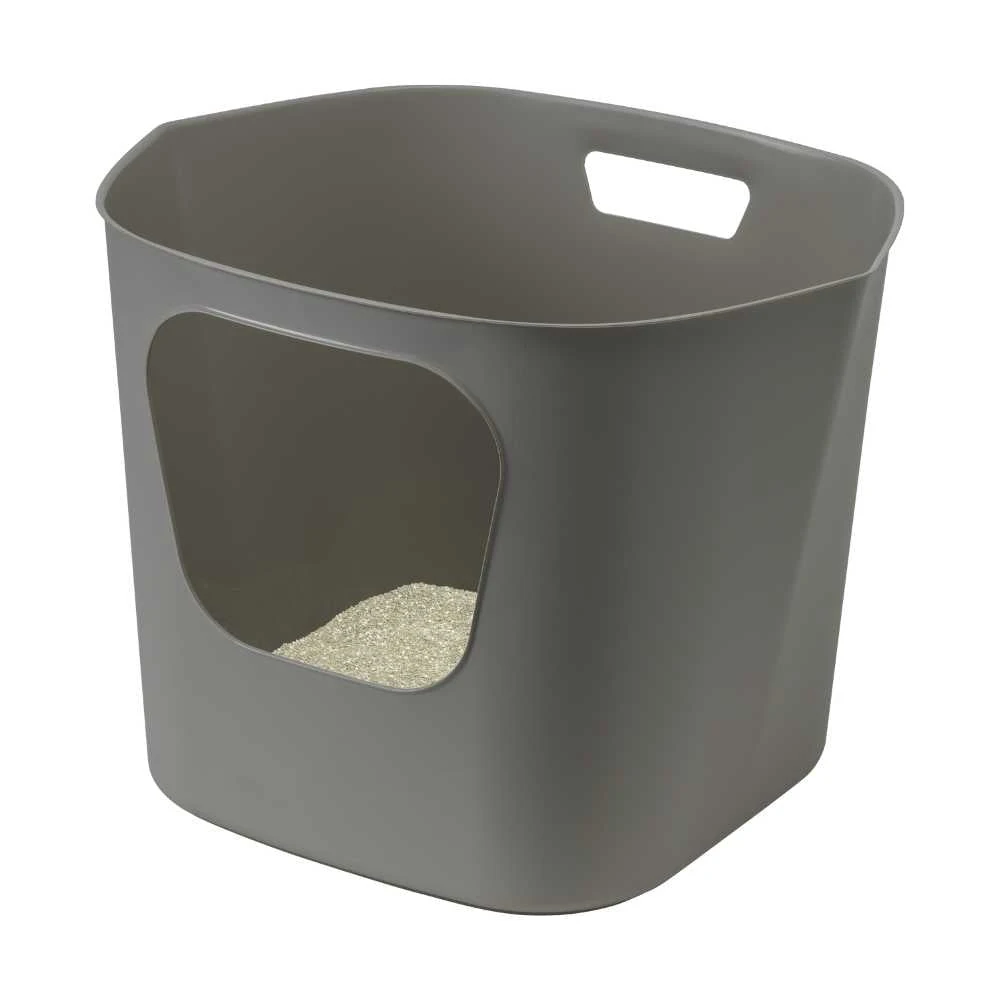
Owners pairing the flap with a best window cat flap options report an unexpected synergy: because the cat enters the laundry via the window cat flap and immediately encounters the litter nook, training time for kittens drops by 30 %. The colour match also earns Instagram praise—important when 34 % of buyers admit social-media aesthetics influenced their choice, according to a 2025 pet industry analysis.
How to Pick the Purr-Fect Window Cat Flap (And Where to Grab One)
Before you click “add to cart”, measure twice: sash height (open and closed), glass thickness, and reveal depth. In 2025, 28 % of returns were due to a 1–2 mm glass thickness mismatch—new double-glazed units often use 5.5 mm, not the old 4 mm. Most suppliers now laser-cut to 0.1 mm tolerance, but you must submit exact specs.
Quick-fit formula:
1. Open sash 300 mm
2. Measure daylight gap (usually 250 mm–350 mm)
3. Deduct 6 mm for compression seals
4. Order that width; height is less critical—standard 380 mm suits 95 % of Aussie windows
Budget wise: under $120 buys you a reliable magnetic-seal window cat flap with one-year UV warranty—perfect for shaded south-facing rooms. Between $180–$240 adds micro-chip security and draught-proofing, the sweet spot for multi-cat homes. Above $250 you’re paying for glass, not mechanics; only choose double-glazed if you also need acoustic or thermal upgrades.
Purchase timing: March–April and September–October are rebate seasons; energy-retail partner stores offer $30 off when you bundle a window cat flap with LED downlights or door seals—an initiative launched in 2025 to cut household carbon paw-prints. Watch for click-and-collect codes; freight on glass is brutal to Perth and Darwin, often $45, but free store pick-up slashes total cost.
Finally, accessorise smart. A about window cat flap positioned under the window cat flap channels post-toilet scratching away from your new frame—saving the finish and keeping claws healthy. And if you’re upgrading the whole lavatory zone, browse compare window cat flap for odour-lock bins and tracking mats that complete the five-star feline restroom.
Step-by-Step: Fitting a Window Cat Flap in 30 Minutes
- Close the sash, clean the track, and apply the supplied 6 mm foam seal to the base of the flap frame.
- Slide the frame into the gap; ensure the magnetic strip faces the interior for weather protection.
- Tighten the thumb-screws evenly—alternate sides every half-turn to avoid torque twist.
- Close the window and lock it; the top rail should compress the seal by 2 mm.
- Program microchip (if fitted) by pressing the learn button and encouraging your cat through; the reader beeps once registered.
- Apply the UV-stable trim strips for a seamless, rental-friendly finish—no silicone required.
Bottom line: Choose a window cat flap that matches your glass, climate, and tenancy. Spend the modest extra on UV-stable materials and micro-chip security, then enjoy uninterrupted sleep and a happier, more independent cat—exactly what 91 % of Aussie owners reported within four weeks of installation.
Frequently Asked Questions
Magnetic-seal models start at A$89, micro-chip double-glazed inserts range $239–$279, and convertible window-to-wall kits sit around $189–$229 before any seasonal rebate.
Prop the flap open for 24 h, then lower it gradually while luring with high-value treats. Most cats acclimate within two days; pheromone spray on the frame accelerates acceptance.
No—insert-style flaps simply occupy the existing gap; you neither drill nor cut sealed units, so window warranties remain intact.
Window versions install without structural modification—ideal for renters—and maintain door security. Trade-offs: slightly higher upfront cost and limited to sash or louvre styles, whereas door flaps fit any timber panel.
Author: Dr. Lachlan Bennett, BVSc, Certified Feline Behaviourist & Australian Pet Industry Consultant with 17 years of clinical and product-development experience. He has advised leading cat-flap manufacturers on welfare-compliant designs and lectures nationally on stress-free pet housing solutions.